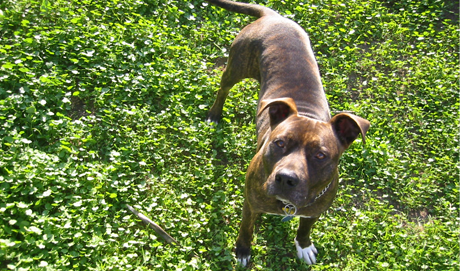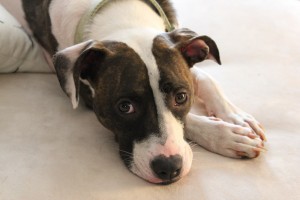
October is National Pit Bull Awareness Month! While there is a National Pit Bull Awareness Day as well, there is a bit of uncertainty as to which day it actually is (some sources say October 27, others say October 24, and even others say the last Saturday in October). In any case, we’re going to celebrate all month long.
The purpose of the annual observance is to bring positive attention to and show appreciation for pit bulls and their responsible owners. Here are eight simple ways to do just that:
- Share positive stories, photos, videos, and other information about pit bulls. You can do so online via your personal social media accounts or email and when you’re speaking to other people in your daily life. The more positivity and love we spread, the more we will get in return.
- Attend a Pit Bull Awareness Month event. Some animal shelters and rescue groups host
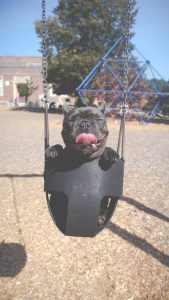 festivals, charity walks, meet-ups, and other celebrations during October. Even if you don’t own a pit bull, it’s a good opportunity to get out and meet some! Check your local shelter or rescue group for upcoming events.
 - No event near you? Plan your own pit bull party! Invite friends, neighbors, and other community members to come and bring their pits for an afternoon of fun. Check out this site for event planning ideas.
- Do something to help. Make this the month you sign up to volunteer at a local animal shelter, commit to fostering a pit bull in need of a home, or donate supplies to a pit bull rescue group. Many rescue organizations rely on donations and volunteers to keep running, so what better month to get in on the action?
- Take action in your local or national government. Reach out to politicians about animal rights, especially as it relates to pit bull-type dogs, and let them know that discrimination will not be tolerated. This is particularly appropriate if there is currently any sort of breed-specific legislation pending or already in place in your city. Write a letter, send an email, make a phone call, sign a petition…do whatever you can to make sure your voice is heard.
- If you happen to live in area where BSL is not in place or has been turned down in the past, send your local councilmembers a thank you note. Remember that we’re aiming to spread as much positivity as possible this month and it would be nice to recognize those leaders that actively work against BSL.
- If you’re a pit bull owner, set an example for others. Be a breed ambassador. Make the choice to gently inform and educate others at any opportunity you might come across.
- While this is a time to celebrate pit bulls and other bully breed dogs, make sure you are not bringing down another breed in the process. We are here to end unfair judgment and stereotypes, not to perpetuate new ones. Be kind and loving towards all animals and their owners.
 Even further, the bylaw also creates two categories of dogs of all breeds: at-risk and dangerous. At-risk dogs are those that exhibit aggressive behaviour, such as biting. Dangerous dogs are those that have killed someone or are deemed dangerous by an expert. If a dog is “deemed dangerous,” he/she will also be subject to seizure and euthanasia.
 Under the current law, “if the owner of an animal that is being held in custody (by a local governmental unit or other person, such as a humane society, on behalf of a local governmental unit) is convicted of a crime related to animal fighting and the animal is one year old or older or shows indication of having participated in fighting, the animal must be euthanized.” This law did not allow for any kind of behavioral analysis or rehabilitation for the animal in question; it was an immediate death sentence. Under Bill 487, however, “if an animal has been taken into custody because it is believed that the animal has been used in any crime against animals or that it constitutes evidence of a crime against animals, it must be retained in custody.” The bill also allows the local governmental unit or other person with custody of the animal in question to demand payment from the animal’s owner for the custody, care, and treatment of the animal every 14 days.