
Help, my dog ate cooked chicken bones! Do I need to take my dog to the vet if he ate bones??
We have all been there… You get distracted during the game while your favorite team is scoring the game winning touchdown, only to find that Tank has managed to eat the bones of every last hot sauce coated wing carcass that laid on the table. Your vet has told you to never give your dog cooked bones including chicken bones, steak bones, ribs and ham bones, but why are these things so bad for your dog – aren’t they built to digest bones? Before you rush Tank off to the vet to have his wing-filled tummy x-rayed, here are some home remedies to make your pet feel better, along with distress signs to watch out for to make sure your dog will be able to pass the bones ok.
Initially, after you dog gets a hold of the bones, the major concern is to make sure that your dog is not choking on the bones. 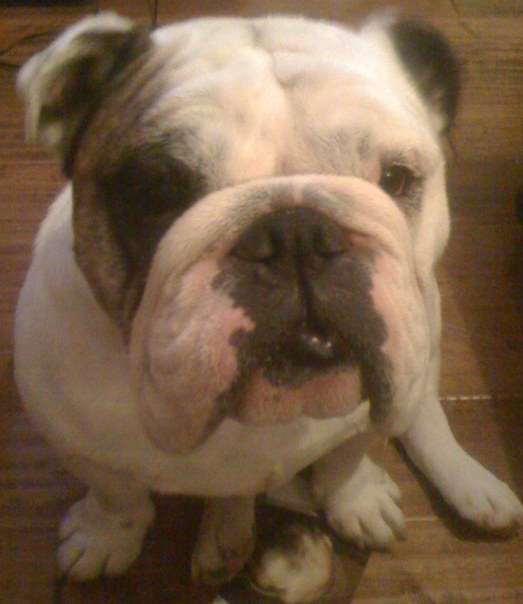 Odds are your dog knows they are doing something wrong while stealing the bones so they are going to try to chomp them down as soon as possible in hopes that they are not caught in the act. Make sure your dog is not exhibiting any of the following symptoms – wretching, gagging, vomiting, excessive drinking, licking lips, or an inability to sit down comfortably/anxious pacing, as any one of these symptoms could indicate one of the bones is lodged in your dog’s throat.
If your dog has already ingested the cooked bones and does not seem to be in any distress then the next step is to make sure your dog will be able to pass the bone with ease. If your dog has already gotten the bones down without choking, odds are they will be ok, but it important to keep a vigilant watch over them for the next few days to make sure the bones are passed through their stool. Giving your dog something soft like white bread will act as a cushion in their stomach, protecting their delicate stomach lining from being scratched by the jagged edges of the bones.
Perforation of organs is a very real threat whenever any sharp object is ingested by your dog, and internal bleeding is a life-threatening emergency that requires prompt medical attention. For the next few days it is imperative that you watch your dogs for any signs of difficulty defecating, bloody stool, vomiting, stomach swelling, nervous/anxious behavior, abdominal discomfort or any other not quite normal behaviors, and seek medical attention if your dog exhibits any one of these symptoms. You should start seeing signs of the bones being passed within 12-48 hours after ingestion, if you still have not any bone pieces, fragments after 72 hours your should take your dog into the vet for x-rays to see if there is any sort of intestinal blockage.
If your dog ate raw bones this is a completely different scenario, in fact, many owners choose to feed their pets with raw bones as a way of adding vitamins and minerals to their diet. Raw bones and cooked bones also have very different compositions – cooked bones are very flaky and tend to splinter easily, whereas raw bones are more dense and take a lot longer to break apart and chew. Raw bones should only be fed to your dog under supervision so you can make sure they have not “bitten off more than they could chew”. Anytime a dog has eaten a bone, cooked or raw, without being supervised they need to be closely watched for signs of trouble.
The best treatment for this situation is to learn from it and take steps to make sure it does not happen again. Getting a more sturdy trashcan, keeping a better eye on Tank while you watch the game with your buddies and making sure table scraps are not in a place easily accessible to your pup are great ways to prevent your dog from getting into trouble with bone ingestion. Most of all, try not to excessively worry, odds are your dog will be just fine as a result of sneaking a super tasty treat:) Remember – accidents happen! Beating yourself up about the situation is not going to change anything, nor will it make your dog feel any better.
For more information on the dangers of cooked bones for dogs read – 10 Reasons Why Bones Are Bad For Dogs
my am. stafford shire ate kfc chicken bones last nite. w/i 30 min i induced vomiting @ vet suggestion although it took him 15 min to vomit he did & we found chicken bones in it. we then gave him 7 cottonballs soaked in chicken grease to coat remaining bones in hopes his tract, intestine and all would b fine. he looked like a skeleton and we felt soo bad we stupidly gave him some rice and lil dog food w/ it. he vomited again shortly. he had a solid stool this am. i gave him a half dry cup of rice and food b4 i went to work. he had diahrea in the house. my brother was home and cleaned it up. bud ate along with his pack however, out of his ussual 4 cups he probably only ate two. he had seemed fine after eating around 400pm. @ appx 11 pm he vomitted bile w/ spots of blood n it then a pink foamy liquid. i am very tight on funds and he hasn’t shone any discomfort upon touching him anywhere and the other dogs are acting normal around him. so an hour has pasted does anyone relate to this? can anyone quide me as to whether or not it is impairative to get him to a vet 2 nite or at all? i am wondering if we have seen no blood in stool if maybe his esophogus may have been scratched and i shouldnt stress soo much is it safe to go to sleep/ please if u relate share your thoughts w/ me
please take the dog to the vet and stop feeding him rice too. If you can’t look after your dog properly nice long walks and eating healthy then you should give him to someone who can look after him.
Eileen shut up..you sound like a jerk. Accidents happen. Jeez
The pounds are full of dogs people haven’t been able to care for. Cats, rats, gerbils, too. My friends all have dogs that never get to run freely outside. Even chickens and rabbits have been able to run freely outside. The big dog chases skunks, cayotes away.
Ellen – really? are you that perfect that you never let anything happen? People like you need to be smacked upside the head a couple of times to give you a wake-up call. Lil Peg is having a hard of enough time as it is without your nasty reply. I’ve taken a Vet Aide class and I know dogs shouldn’t have chicken bones or any other for that matter but I just had my dog run straight at me and grab a chicken thigh out of my hand and he swallowed it whole. Cupcake, try to be a little nicer to people in the future and put yourself in their place instead of being a know-it-all…..
Please don’t judge other people. Obviously, it was an accident that the chicken bone got eaten. Judging is the worst evil, and it will come back to you.
I agree that it sounds like he needs to be taken to the vet. These are not great symptoms.
I feed my dog cooked chicken bones all the time. He is a very happy and healthy dog. A dog accustomed to eating table scraps shouldn’t have a problem with them. Dogs have been living around humans and eating cooked chicken bones for thousands of years. Dogs in most other countries eat whatever they can. Coyotes, Javalinas, Pigs, Ferrel cats, Raccoons, and many other wild animals will not pass up the opportunity to gobble down a cooked chicken bone. They have all the enzymes and peptidases necessary to break down the bone before it hits their stomach.
your dog can choke on them! and have belly sugery your dog will choke if u keep doing it thanks 🙂
We have I medium rescue dog, 1 min pin, I papillon; it just didn’t seem right to me that dogs have been domesticated for centuries and eating cooked bones as long as humans have for it to be bad. The new 2nd Papillon someone gave us started on the diet we give and is looking and acting better. The stools of the dogs get very hard and crumbly when we have left over chicken bones for them. I’m hoping the anul glands are milked by the hard stool as it passes out. The worst problem we have is the cat catches small and wormy critters and likes to share. At the first sign of worms/ weakness of back legs we give worm Rx. So far; so good.
well if the dogs are meant to eat chicken bones then my dog is not a dog! Beagle eat bones from garbage. did not poop for 18 hours and straining. 3 enemas later he is still not pooping and is going into surgery!
not that it matters, but I have already spent $1000. Chicken bones and Dog is a NO-NO! My dog is a hunting dog and can’t eat these things! AVOID!!!
Oh my that second person was so rude. You sound like an up tight a hole but anyways, I was just on here because I fed my pit bull left over chicken with the bones in it, didn’t think it was a big deal, but then someone told me it was. So I’ve decided to research it cause I love my dog! I’ve learned there are risks but usually its ok. Even though the chances are slim I won’t risk it again. But it is ok for them to eat raw meat with bones, its when u cook the bones they become splintery. That’s why animals in the wild can hunt for food and eat the bones -duh- they aren’t cooked. Cooked bones can splinter off and rupture intestines! Eek! They say after 48 hours if nothings happened they will be fine. It may hurt comming out. Poor izzy (that’s my dog) she’s gana have a horrible potty time, ontop of the bones she ate 3 stuffed jalopenos (sp?)! Haha
The only thing broken down in the mouth is starch, via salivary amylase. Even this doesn’t occur completely before the bolus of food reaches the stomach. There is no ‘enzyme like peptidase’ in the mouth of dogs, humans, or any other mammal for that matter. Therefore, the bone can not be digested before it reaches the stomach.
Cooked bones are dangerous for dogs the same way that individuals who post false facts as truths online seem to be.
I have a 4 pound yorkie. I stupidly left a chicken thigh bone on a plate and went outside for a few minutes. Of course she ate it. Im very scared. I love this dog and she has been such a blessing to myself and family. Help I will watch her of course but is there anything I can do to help her be alright? Thanks.
That was in July. How is your dog now?
My lab mix ate about 45 chicken wing bones. Usually he is good but last night he raided the trash can just after dinner, before the bag went outside as it usually does (stupid us). He looked and acted guilty, but seemed fine. About 15 hours later, he’s left us diarrhea all over the kitchen floor, with lots of mucus and bone particles (some fragments), but no blood. He’s taken water- but no food. He is normally a very picky eater- will eat his bowl, we’ll refill it. Sometimes he goes a day and a half before he asks for more. Should I be offering him rice or dry food when he doesn’t ask for it?
I feel so bad for him- and I can tell he doesn’t feel good, he’s not running around like the usual nut he is. Poor little guy. I guess we’ll wait and see it out- hoping we don’t have to go to the vet. Only a few months ago we had to take him in- he caught and gobbled down a live bird – a Robin I think- in our backyard and within 30 seconds of catching it had it demolished. He ended up getting serious botulism and horribly blood diarrhea from that. Poor Buster- get it through your head- NO poultry for you- cooked, uncooked, or just bones!
put a few bricksin the garbage can with a lid on top. may help keep dog from tipping it over.
American dogs are spoiled by soft foods and processed biscuits. Dogs all over the world eat table scraps with no problems. I feed mine a mix of everything, from “dog food” to rice to leftover spaghetti to cooked pork bones to fruit. She’s a lab/Australian cattle dog mix and has no problems chewing, swallowing, and defecating bones. She gets regular exercise and has a beautiful coat of fur that can match any pampered pooch. That’s how dogs were raised back home at my grandparents’ farm and they lived to 17. Stop being such wimps and let the dog be a dog. They’re still animals no matter how much people in the States want to think otherwise.
I was freaking out wen I found out my 6 month old Pit ate a leg chicken bone, we are very careful with him in wat he eats, specially being so young! His a big guy but still his small… I was googling about dogs and chicken bones and all t answer freaked me out since they all preaty much say take ur dog 2 t vet right away!! But reading this made my heart at ease, I know I have 2 watch him even more, but I wanna tnk u 4 putting up such GREAT info 4 us!! There’s a lot of dog owners that sometime don’t know wat 2 do, don’t know wat 2 say n t 1st thing we do is take our loving pets 2 t vet n spend hundred of $$$ on our pets, I mean they r worth every penny, but 1st we need 2 watch them n b responsible pet parents!! Thk u, I’ll keep looking 4 ur post since u helped me out a lot!!! :)…
I’m glad this post helped some of you! As pet owners we are all bound to make mistakes, and it’s important to share our experiences and help one another out.
@Reality – I’m glad your dogs have never suffered any ill consequences from eating cooked bones. I also 100% agree with you that “Dogs all over the world eat table scraps with no problems.”, but I do disagree with you that bones are easily digested by all dogs. Most animals in the wild do not even actually ingest whole bones, they instead chew on the bones to get to the marrow, not fully ingesting the bone itself. It should also be mentioned that these are RAW, UNCOOKED bones. When you cook a bone it becomes much more brittle, and more easily splinters once ingested. At the very least if you’re going to continue to feed your dog cooked bones I urge you to read about the dangers of doing so, just so you are informed in the event something unfortunate does happen to your dog. Choosing not to feed your dog bones has nothing to do with the dog being “spoiled by soft foods and processed biscuits” – we just want to do what we can to ensure our dogs’ safety.
10 Reasons Why Cooked Bones Are Bad For Dogs – http://saveabull.com/2011/cooked-bones-and-dogs/
JUST AN UPDATE IN REFERENCE TO MY STAFF. EATING CHICKEN BONES BACK IN 2009.LONG TIME, I HEAR YA! ANYWAY I HAD INDUCED VOMITING WITH HYDROGEN PEROXIDE AND BUD HAD THE ACCIDENT IN THE HOUSE I REFERENCED AS WELL AS WENT BACK TO EATING REGULAR AND NO PROBLEMS. AND THANK YOU TO THOSE PEOPLE WHO INCOURAGE NON JUDGEMENTAL REPLIES. I HAVE 4 DOGS AND FOR THIS TO BE THE MAJOR FOOD EMERGENCY YES IT WAS ACCIDENTAL.
I FOUND A BOOK LAST YEAR THAT IS AWESOME… THOUGHT I’D SHARE… ITS WRITTEN BY ANDI BROWN AND AND ENTITLED THE WHOLE PET DIET 8 WEEKS TO A HEALTHY PET……. IT IS FOR DOG AND CAT OWNERS. IT SURE ENLIGHTENED ME INTO THE BENEFITS OF PREPARING FOOD FOR MY DOGEZE. MY SHEPARD RETRIEVER HAD CANCER REMOVED AT AROUND FIVE YEARS OR SO , IT SHOWED AGAIN AND SHES AROUND 10 WITH THIS DIET SHE SOMETOMES SEEMS TO FORGET HER ILLNESS AND AT OTHERS IS CLEARLY ABLE TO BE STILL BE WITH THE PACK AS A RESULT OF IT. MY STAFFORDSHIRE PARTICULARLY LOVES THE PLAIN YOGURT IN IT AND HE FEELS SOO MUCH SOFTER AND SEEMS MUCH MORE CONTENT…HE NO LONGER IS WORRIED ABOUT WHETHER HE WILL GET TO HIS BOWL FAST ENOUGH AND EATS IT EVERTIME. WE ARE ALL HUMAN THEREFOR ALL FALLABLE LETS LEARN WITH ONE ANOTHER FROM ANOTHER AND ALONG WITH ONE ANOTHER…PEACE.
Hello- My folks Weimanier, somehow ate a chicken bone ( which we did not know as we do not feed her bones) For 4 nights, she would begin throwing up and it lasted for hours and stopped. She acted fine after, she didn’t appear sick until the 5th night! She began throwing up at 9pm, then again, 11pm and you could hear her stomach rumbling as if she hadn’t eatten in weeks. During the first 4 days,she ate and was fine after throwing up but tht 5th night was hell. I stayed up with her the entire nighr and woke up my folks and said someonne has to watch her as I was seeing double,
My Folks took her to the vet, where they did 2 X-Rays and said that she ate a chicken bone and it was close to passing and also prescribed Flagyl/500 mg to take 2 times a day. Now, its been 8 days since she we found out about the bone but we have not seen the bone as we keep checking for that big moment! We have not noticed that she passed the bone………. I am curious as to why the Vet ordered that type of prescrition? It an antibotic but my Father thougt thst the pills are to soften the bone? Anyone ever hear of that? Any assistane would be great but she is eatting, drinking tons, wants herr treats everytime we go out side but this morning she doesn’t seem like herself? I had to remining her that she eats and then gets a treat ( my Parents dog, who is smarter than some folks I know) But anyone have anything like this happen? Again, any feedback would be appreciated and btw- The 2nd response from Eileen was rude and if your not going to give supporting comments, why are you on the site? Pets are part of the family and because someone may not have the extra funds for X-Rays, is their business and making rude comments are not needed when one is stressed about a loved one! Peg, I hope things turned out ok! If you look at all the responses, they were caring, don’t pay attention to someone who appears to have an issue with the world and maybe they shouldn’t have pets! Just a reminder, Pets need loving homes too!
Thanks all!
MY DOG DID TURN OUT OK I DON’T GET WHY A VET WOULD GIVE RX FOR ANTIBIOTIC , UNLESS THEY REALIZED AN INFECTION HAD STARTED, WHICH MAY BE POSSIBLE….HOWEVER RUN BY THEM A ? AS TO THE COTTON TRICK AND ASK IF IT , THE BONE WOULD HAVE HAD ANYWAY BEEN DIGESTED AFTER THE X-RAY…MAYBE THAT IS THE CASE,,HOWEVER IF YOUR DOG ISN’T ACTING ITSELF AND U COULD GET A SECOND OPINION ASAP I WUD..I WILL NOT SPECULATE AS TO WHAT I WORRY OF AS I AM NOT A VET I JUST DO A LOT OF SEARCHING FOR RELIABLE ANSWERS ON LINE.. AND THANK HEAVENS THEY CAN BE FOUND THEY KEPT OUR BUDDER BOO LOL AROUND WITH US! AS TO THOSE WHO SAY NEGATIVE THINGS WHEN ALL THEY KNOW ABOUT ANOTHER IS 1% OF FACTS… HOPE THEY AREN’T SO RIGID IN EVERYDAY LIFE AND JUDGE OFTEN. I WOULD ENCOURAGE THEM ALL TO VOLUNTEER 3-5 DAYS A WEEK AT A KILL SHELTER THEN SEE IF THEY MAYBE WUDNT HAVE TO BE SOOO RUDE .. AFTER ALL THE 4 I HAVE ARE LOVING LIFE UNLIKE THE MANY I WITNESSED PUT DOWN WEEKLY AT OUR ONLY SHELTER IN OUR LARGE COUNTY! BEST WISHES FOR YOUR DOG.. I DO HAVE A FRIEND THAT FED HIS DOGS CHICKEN BONES FROM PUPPY-HOOD. HE BECAME A TRAINER OF DOGS ALSO… AND I DID READ OTHER PEOPLE HAVE DONE SO AS WELL. HOPE ALL WORKS OUT MAYBE CHECK SIDE AFFECTS OF THE MEDS ALSO
THANK U AMANDA,
LIL PEG
Help!! We had a family party . My family gave my 3 yr old pitbull cooked rib bones.. Now he looks sad, wont move much, doesnt wanna eat. I had to force him to drink water .. I think my family gave him alot of em…. What do I do? Should I wait it out? What can I do at home? When should I take him to the vet?… Is he dieing… He just started wagging his tail… Is that a good sign?? Please help!!!!!!
Dee nray did u find help? at home dip cotton balls in an oil type liquid one that u know he likes and would want if it was a very short while ago aresearch giving hydrogen poroxide to enduce vomit but if its more likely that the bones are further than that cotton ballls is what my vet had me give my boy to coat possible sharp edges that may harm him. first thing is remember our dogs feel what we do so if u project fear expect him to seem sad or fearful as he will be without a doubt unsure of hisself really pay close attention to his appetite and stool if he doesnt want to eat i wouldnt make him same with drinking if he really acted ourt of norm i would seek professional help asap. if u have a vet u see regularly call and ask and let em know if u cant get there best wishes to u! dogs tail wagging can be a number of things
Pitbulls cannot eat pork! A vet in St Cloud MN has helped me save my American staffordshire from pork poisoning many times!! I have had to buy 20 cans at a time of chicken noodle soup ,drain the noodles,take away water and dog food!! Give the dog the chicken noodle soup broth for atleast 3-4 days and you will see the blood in the stool stop within this time frame!! My Blue got into the trash that was stored in a cabinet and ate the left overs ,very nerve racking! But he is better now!
I found this site for information on what to do if your dog accidentally eats cooked chicken bones. Everything I’ve ever heard caused me to panic! We don’t have any extra money for huge vet bills. Our Shepherd-pit mix is a part of our family and my young son’s best friend. We turned our backs for a minute to clear the kitchen table and came back to find a napkin on the floor and a whole chicken breast bone with ribs gone from my son’s plate. Brandy was wagging her tail and looking guilty, but happy to have such an awesome treat! Somewhere else I read to give her a piece of white bread to help coat her stomach, which we didn’t have, but I DID make stuffing to go with our chicken dinner…I put what was left over in her dish (she thought she had died and gone to heaven since we don’t normally feed her table scraps!). Then the agonizing wait to see what happens for the next few days. Prayers and crossed fingers and a month later, I can report back that our four legged naughty, but otherwise healthy friend is no more worse for the wear and nothing bad happened. Lesson learned by us to be more careful next time. If you’re reading this for the same reason we came to this site, I hope you have the same happy ending! 🙂
All my life my family has fed table scraps to our dogs. Many people say not to feed cooked chicken bones to dogs; they are bad for dogs and can die from some splinter. However, I have yet to find evidence of this being true. A person tends to believe what they are told, factual or not. I prefer to see the actually evidence. I have read many blogs where horrified dog owners frantically try to save their dog after they have eaten a cooked bone or two or three or a whole bowl. Owners traumatize their beloved pets with cotton balls, stool softeners, bread, vaseline, etc. In hope of saving poor Fido from the deadly intestine puncturing bone splinter. In the end every story I have read about ends the same. The dog was fine, except maybe a little diarrhea because they are not use to eating people food.
If their is known evidence where this a true dog threat let me know. I know this is tough for people but remember, evidence is first hand knowledge not hearsay. But I believe this is just an old wives’ tale a kin to: Don’t swallow gum or it will stay in your stomach for seven years.
My dog didn’t get diarrhea from the stuffing I fed her, nor was she “traumatized”. WE were traumatized! Most of the blogs I read had contributions from vet clinic workers who were eyewitnesses to the damage cooked chicken bones can do to pets as well as pet owners who didn’t have such a good outcome. I hope you are right about it being an old wives tale, but who wants to purposely do something that even remotely runs the risk of harm to their pet just to prove a point. I’ll pass.
Terry –
My mom killed our dog on accident because she fed him a chicken bone. He was a little dog, but it ruptured his esophagus and he died that night.
Please, please be careful!
Terry, I hope you read this. I watched a dog die from eating a cooked chicken bone. It perforated its stomach, and the animal died a slow and very painful death. It was a stray and ended up in our yard, suffering. We called the animal control officer, not knowing if the dog might be rabid. By the time the officer got there, the poor dog had died, and the officer had us feel the bone that had splintered and cut through the stomach lining…it could be felt right under the dog’s skin..very clearly a splinter of a chicken thigh bone.
So, here’s your evidence: a first-hand account from a witness. Please, please, regardless of what you’ve fed your dogs for years, don’t take a chance with cooked bones of any sort. This is no old wives’ tale.
Also, be aware that garlic and onions can be very, very bad for both dogs and cats, and chocolate can also kill a pet. Animals are not designed to eat the all same foods that humans do. Lots of beloved pets have sickened and died because people have ignored this truth and wanted to treat their animals as furry, little humans. So far, you’ve been really lucky, but please don’t trust luck when you dogs’ well-being depends on it.
We had a little rat terrier that ate a cooked pork bone that apparently splintered and perforated her intestine. The vet did surgery to try to repair the tear (big $) and it saved her life but she could not control her bowel movements and it was very painful when she had a bm. She didn’t live but a year and a half after that. It took so much out of her and she just couldn’t process nutrients like she needed to. It was very sad for all of us. Needless to say, we are very paranoid about ANY cooked bone. :'(
Thanks, the summary was very helpful! By mistake I fed my dog cooked bones, and I was really scared. I’m hoping nothing worse happens but I’ll observe for any signs of distress. And take him to vet if required. I’ll also try the soft bread suggestion to comfort the situation.
This helped me a ton, thanks.
I had a cockerel spaniel sheep dog mix as a kid. I didn’t know that feeding them chicken bones was “bad”. My dog ate every leftover bone we had and that’s from a family of 13. He NEVER had any health issues until he went deaf at age 15. He was small, about 35lbs. I understand the concern but any dog I’ve known has eaten so much they shouldn’t have and never had problems.
Also, I had an 8lb Chihuahua mix get into something LOADED with onions and though I was very concerned, couldn’t afford emergency vet care. He didn’t even puke. He was healthy as a horse.
Onions are toxic to dogs whether you choose to believe it or not. Onion toxicity causes a “Heinz body anemia.” Heinz bodies are small bubble-like projections which stick out from a red blood cell. This bubble is a weak spot in the red blood cell, causing the cell to have a shorter lifespan and rupture early.
When many red cells are affected and rupture, anemia can result. Your dog could have developed anemia without you seeing any symptoms unless you checked the dog’s gum and found them to be pale as the reaction usually happens a few days after eating the onions. Because you didn’t feed your dog onions on a regular basis, the bone marrow was able to regenerate healthy red blood cells. But if you give onions…and that’s any form of onions, even onion powder in gravies or sauces…on a regular basis, you’ll end up with a pet dying from anemia.
Cats are even more at risk with onion toxicity.
Do you really want to risk that? It becomes a question of which you love most: your pet or your opinion?
please help me my dog ate chicken bones he not eating he has been to the toilet he is shevering he has been drinking but vomiting im not sure if he has eating the chicken bones but there was chicken bones that the cats that i have was eating please give me positive feed back thank you
I just came home for work and found that my dogs knocked the trash can over. I know there were chicken wings in the garbage and I know they ate from the trash because there is stuff from this morning and afternoon missing(including the chicken wings.) I’ve NEVER give my dogs bones (cooked or raw or from any animal) and the only human food I give them is fruit, brown rice and cooked chicken breast. Unfortunately my vet is not opened at this hour and I don’t know which emergency vet near by to call. This is the first time they’ve ever knocked over the garbage or tried eating from it. (I’m guessing it got knocked over while playing and figure I’m not around so they misbehaved.) one dog is a 11 lbs jack russle chihuahua mix and the other is a 25 lb German Spitz. They seem to be okay, both are on my bed sleeping. They both ate dinner fine and went to the bathroom with no trouble. Couldn’t check there stool because its to dark right now, and I will check tomorrow and call the vet. But if they’re acting fine, is there really anything for me to worry about.
I was giving my dog leftover meat from some spicy buffalo wings when she jumped up and snatched the bone right out of my hand! As we were playing this tug of war thing (her being happy, me being angry) the bone started to slip out of my hand. I heard a crack and then a swallow. Before she finally loosened up she took one last bite leaving me with less than half of the bone. Not knowing what to do, I ran to my computer and searched up what to do. I am so glad I found this! I tried giving her white bread but being the stubborn boxer she is, she refused. So going crazy like a worried mother I went inside and got peanut butter and refrigerated pepperonis making a pizza type thing. She ate it up faster than you could say Betty Crocker. Thanks for all the help. (: